Contracts & Contractors
When a building under construction or renovation has been closed in, with electrical and plumbing rough in's done, the job of the insulator can begin. This person may be part of the building crew, or they might be an INSULATION CONTRACTOR.

The thermal control layers on a building are called INSULATION and they must be installed carefully and correctly to ensure that the building stays warm in winter and cool in the summer. This module explores the role of INSULATION CONTRACTOR and how they fit into new construction and renovation.
Taking on a job in construction or renovation will involve some kind of agreement between the worker and the client - it will describe what work is to be done, how much it will cost and approximately how long it will take. An agreement like this is called a 'CONTRACT'.
This is where the term 'CONTRACTOR' comes from - it means someone who follows a contract for their work. A contract may be small for a job like building a deck or renovating a bathroom. Or a contract might be very large, for example building a multi-unit residential building or a housing development.
A contractor and a client will sign this legal document to show that they have agreed on the type of work being done, along with other stipulations such as the following:
- When payments will be made;
- Insurance and permits that will be required;
- The scope of work, or where and when the job is taking place and at what stage it will be completed;
A person who handles many different types of contract jobs is called a GENERALCONTRACTOR.
A SUB-CONTRACT is a situation where a General Contractor hires another worker to complete a portion of the job. For example, if a large home is being built, electricians might be hired as sub-contractors to complete the wiring and electrical panel hookups for the house. The sub-contractor may only be on the project for a short time until their work is complete.
You should ALWAYS work to a contract, no matter what size of job. It's also worth the time and money to consult with legal counsel who specialize in construction contracts when developing your contract language.
The job of installing insulation in new or existing buildings may involve many different types of materials, from rigid boards and loose fill fibre, to liquid applied foams and fibre batts in stud cavities.
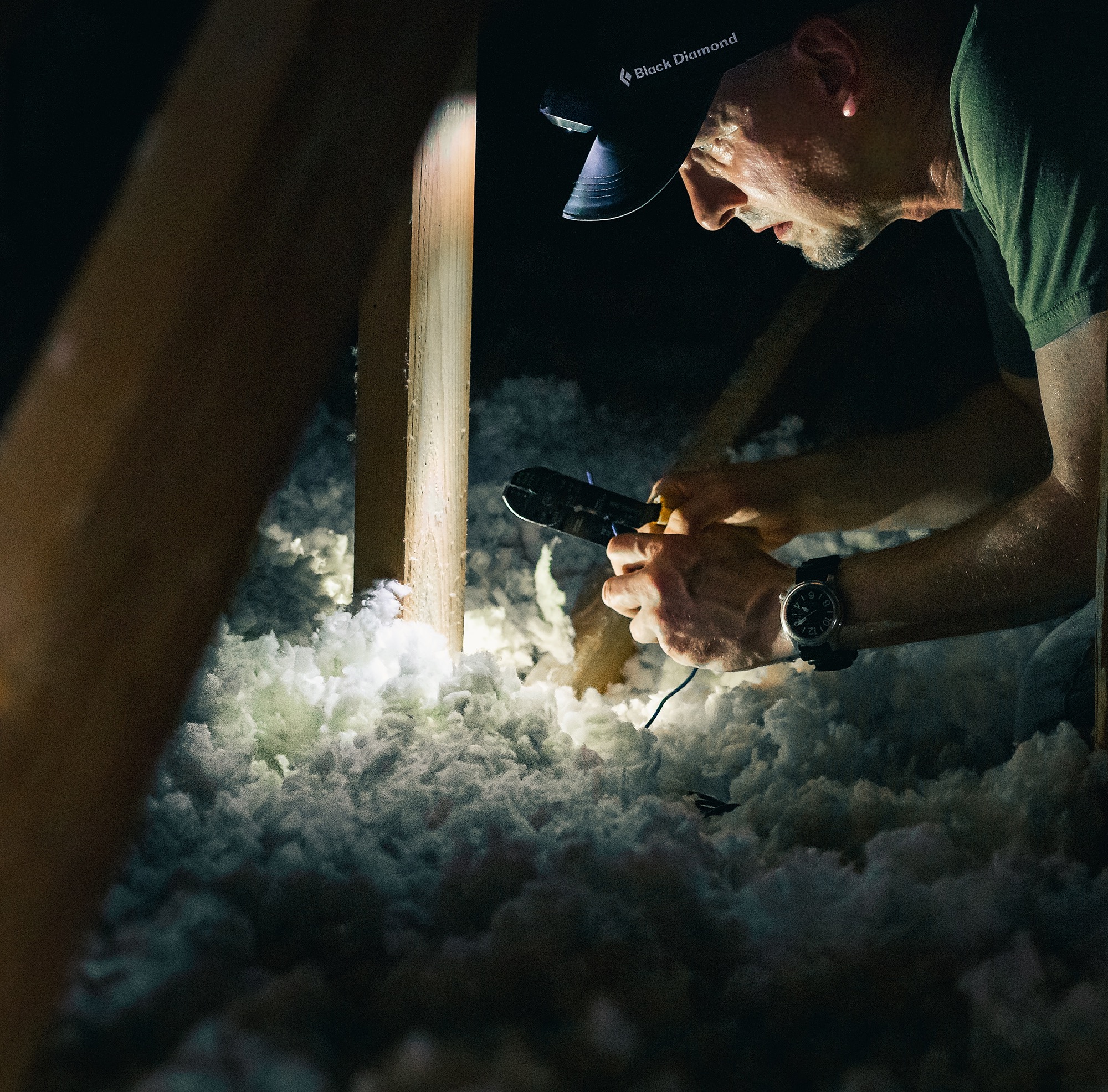
The insulation contractor will need to understand the fundamentals of construction and building science, so that they can do the best job possible in creating consistent and properly applied thermal layers.
Someone who installs insulation may have the following work experience and qualifications:
- 3 to 5 years in construction, working a variety of roles;
- Practical experience with different insulation types and how to install them correctly;
- Specific training from manufacturers for installing insulation products;
- 3 to 5 years working as a renovator, especially in energy efficiency retrofits;
- Experience installing air and vapour barrier products, along with fasteners, sealants, membranes, tapes and adhesives;
- Experience and training for working at heights and in confined spaces.
An INSULATION CONTRACTOR will know how a construction site operates and where they will be working. Set up and execution of work will be based on experience, training and good planning.
Training to become an insulation contractor may involve some of the following steps:
- Years of working with more experienced construction crews and renovators;
- Vocational trades training or Apprenticeship at the college level;
- Specific manufacturer training for installation of insulation products;
- Business education in management, bookkeeping and marketing;
- Volunteer work with home building organizations like Habitat for Humanity.
It's often true that experienced construction or renovation contractors will choose to specialize exclusively in insulation, operating as subcontractors. This type of business decision may allow for a more focused approach to work, without having to be responsible for the entire build. Equally, it may also allow for more jobs of varying size with a good build up of repetitive skills and speed over time.
