5 Tips to Improve Your Tea Brewing Skills
We've all been there. You've been making tea for a while, then you decide to look up how to make your tea a little better, and before you know it, you're staring at huge brewing manuals with complex water requirements, temperature charts, descriptions of leaf characteristics, and more. It's enough to make anyone's head spin.
Don't get me wrong. Going down the rabbit hole that is the science of brewing perfect tea can be a tonne of fun. But it's not for everyone, and that's why this guide exists. Here are all the basics you need to know to make your favourite tea better than ever.
1 - Understand Your Tea
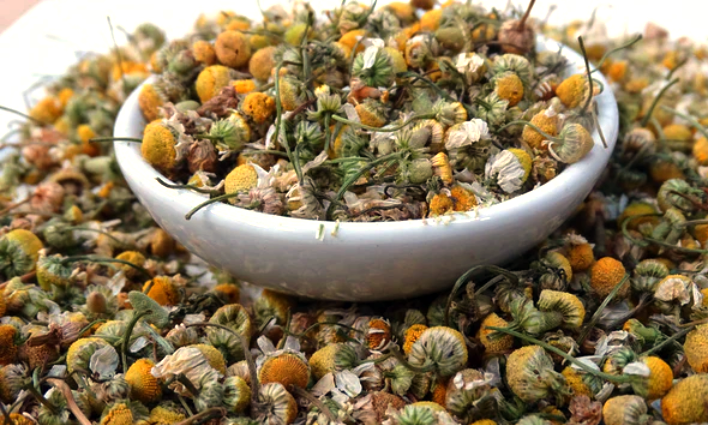
A classic rookie mistake is to treat all "teas" as if they're the same. They're not. Some teas you can boil, others will be ruined by boiling them. Some tea leaves are pretty forgiving with the temperature, some of them need to simmer at an exact temperature for the best results.
For example, some teas will grow bitter when boiled, with Hibiscus being a good example. However, chamomile tea can be boiled without becoming bitter. Though steeping it at around 90ºC will yield a better flavour, especially if you're using high-quality flowers - click here for an example.
Make sure you look up preparation recommendations whenever you approach a new loose-leaf tea. Investing in a kitchen thermometer and a kitchen timer can also be a huge help in getting you consistent results.
2 - Mind the Water Quality
The quality of water can make or break your tea. When possible, you should use fresh, cold water, preferably filtered to remove any impurities or chlorine that might interfere with the taste of your tea. Hard water should also be avoided. As not only does hardness affect flavour, but according to this commercial brewing manual published by teausa.com, "any hardness in excess of 200 ppm can cause clouding in iced tea."
Mineral, deionized, and distilled water are all used for tea brewing. Mineral water is often favoured for its ability to bring out the natural flavours of different teas. It works well for both true teas and herbal teas.
3 - Choose the Right Teaware
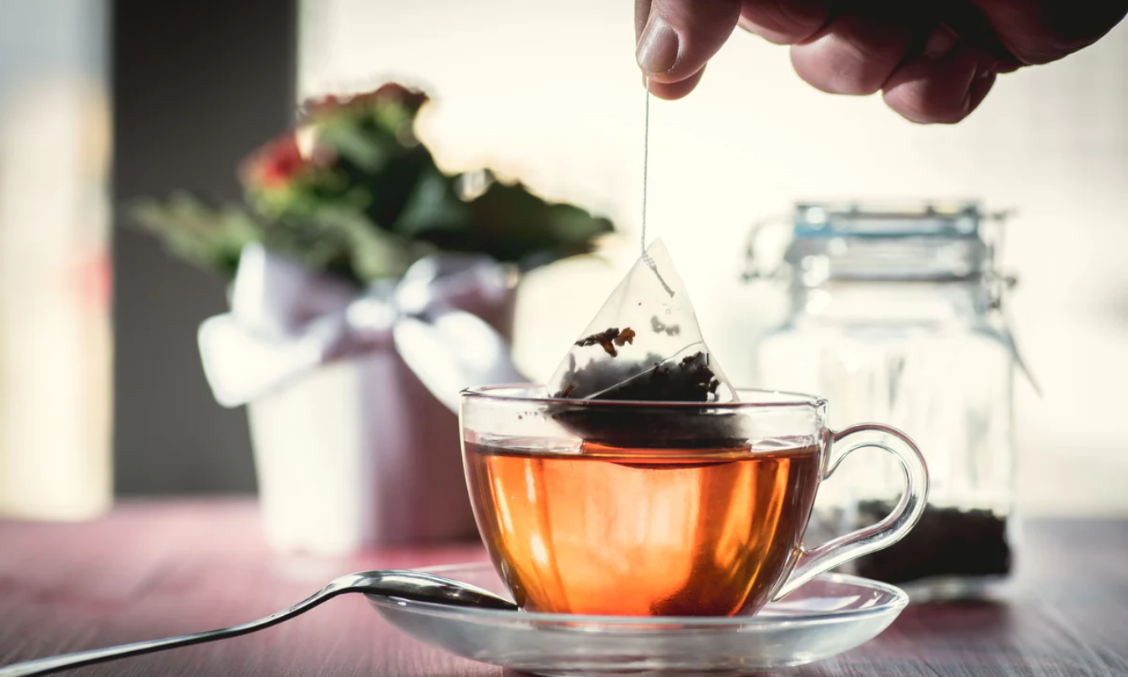
Just like the water, the teapot you use to brew the tea can have a big impact on the flavour. Glass and porcelain are great options for brewing delicate teas. Think white tea, green tea, and jasmine tea. Meanwhile, clay pots can work better for stronger, oxidised teas, such as oolong tea, pu-erh tea, and black tea.
4 - Preheat Your Teapot
If you want to brew your tea at a specific temperature and get consistent results, then it's important to preheat your teapot. Otherwise, the cold teapot will bring down the water's temperature. Not by a drastic amount, but just enough that it may affect the final product.
The preheating process is simple. Simply let some hot water sit in the teapot until it feels warm to the touch. Then discard that water, and begin the regular brewing process.
5 - Learn the Art of Second Steeping
You don't always need to discard your tea leaves after the first use. In fact, many high-quality teas - especially oolong and pu-erh teas - can and should be steeped multiple times, as additional steeping will reveal new flavours and aromas to the tea.
So you get to make better, more complex teas, and you can spend less on your tea habit. It sounds like a good deal, doesn't it?
On top of that, Healthline reported that "the majority of loose-leave versions still showed antioxidant activity after the sixth brew". So at least some of the tea nutrients can still be extracted long after the first steep.