Common Loon
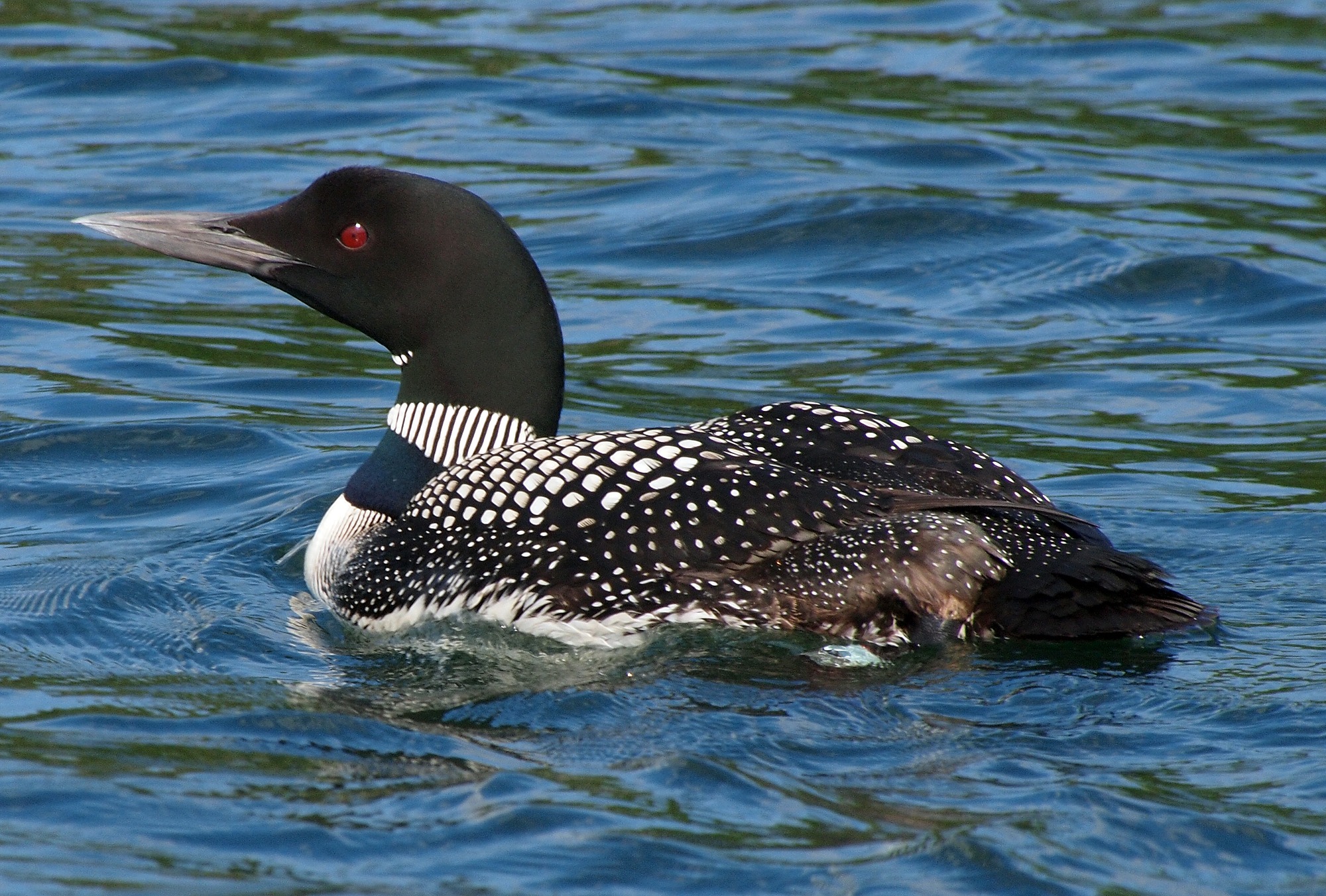
The sound that tells you you're really at the lake.
Close your eyes on a calm summer evening.
That haunting call echoing across the water isn't just beautiful-it's one of the defining sounds of the Canadian wilderness. For many people, hearing a loon means they've finally left everyday life behind.
Ashby Lake is fortunate to be home to these remarkable birds, but loons are surprisingly vulnerable. They need clean water, quiet shorelines, and safe places to raise their young.
Why they're amazing
Loons are built for life underwater.
Their legs are so far back on their bodies that walking on land is awkward, but underwater they're powerful swimmers capable of chasing fish at impressive speeds. They can stay submerged for over a minute and dive more than 60 metres when necessary.
They're also devoted parents. Within hours of hatching, tiny loon chicks climb onto their parents' backs, where they're kept warm and protected while the adults continue swimming.
A passing boat wake can flood a loon nest if it gets too close to shore. Giving nesting loons plenty of space makes a real difference.
If you see an adult loon behaving strangely-calling loudly, diving repeatedly, or swimming in circles-you may be close to a nest or chicks.
Back away quietly and watch from a distance. If the loon relaxes, you've done exactly the right thing.
This weekend at the lake...
Wake up just before sunrise and sit quietly by the water.
If you hear a loon calling across the lake, don't reach for your phone.
Just listen.
It's one of the few sounds that has remained almost unchanged on Canadian lakes for thousands of years.