Bats
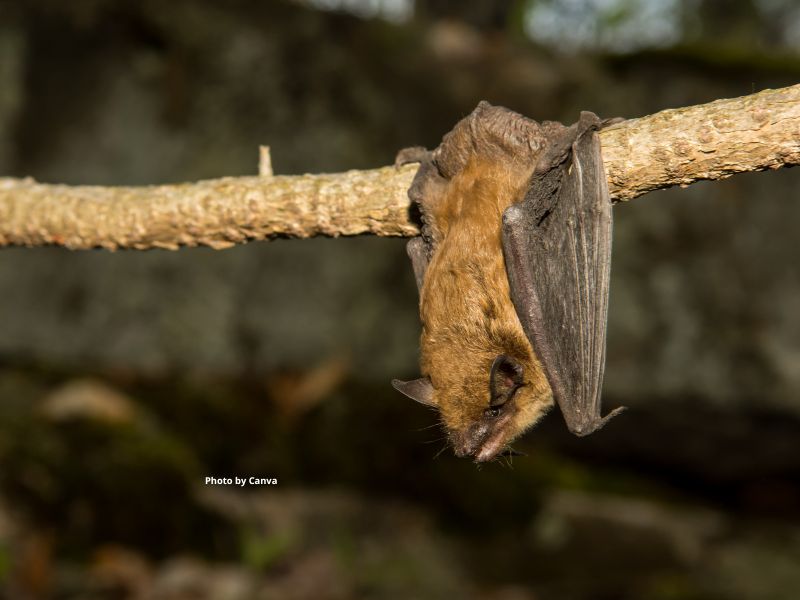
Ontario lakes were once home to thriving bat populations. On warm summer evenings, it was common to see Little Brown Myotis and other native bats darting over the water, catching insects with incredible speed and agility.
That changed dramatically in the winter of 2009-2010, when White-nose Syndrome (WNS) was first detected in the Bancroft-Minden area. This devastating fungal disease spread rapidly across Ontario, causing widespread mortality among hibernating bat species, particularly the Little Brown Myotis, which was once one of the province's most common bats.
Today, bat sightings around the lake are much less frequent. Their decline is concerning not only because bats are a fascinating part of the lake's natural heritage, but also because they play an essential role in the ecosystem. A single bat can consume hundreds of flying insects in a night-including mosquitoes, moths, and other insects that affect both people and forests.
If you're lucky enough to spot bats skimming low over the lake at dusk, take a moment to watch. Their silent evening hunt is one of the most remarkable-and increasingly rare-wildlife experiences the lake has to offer.
What to Look For
Keep an eye out for this species during your visit. Observing and appreciating the wildlife around the lake is one of the best ways to help protect it.