Beaver
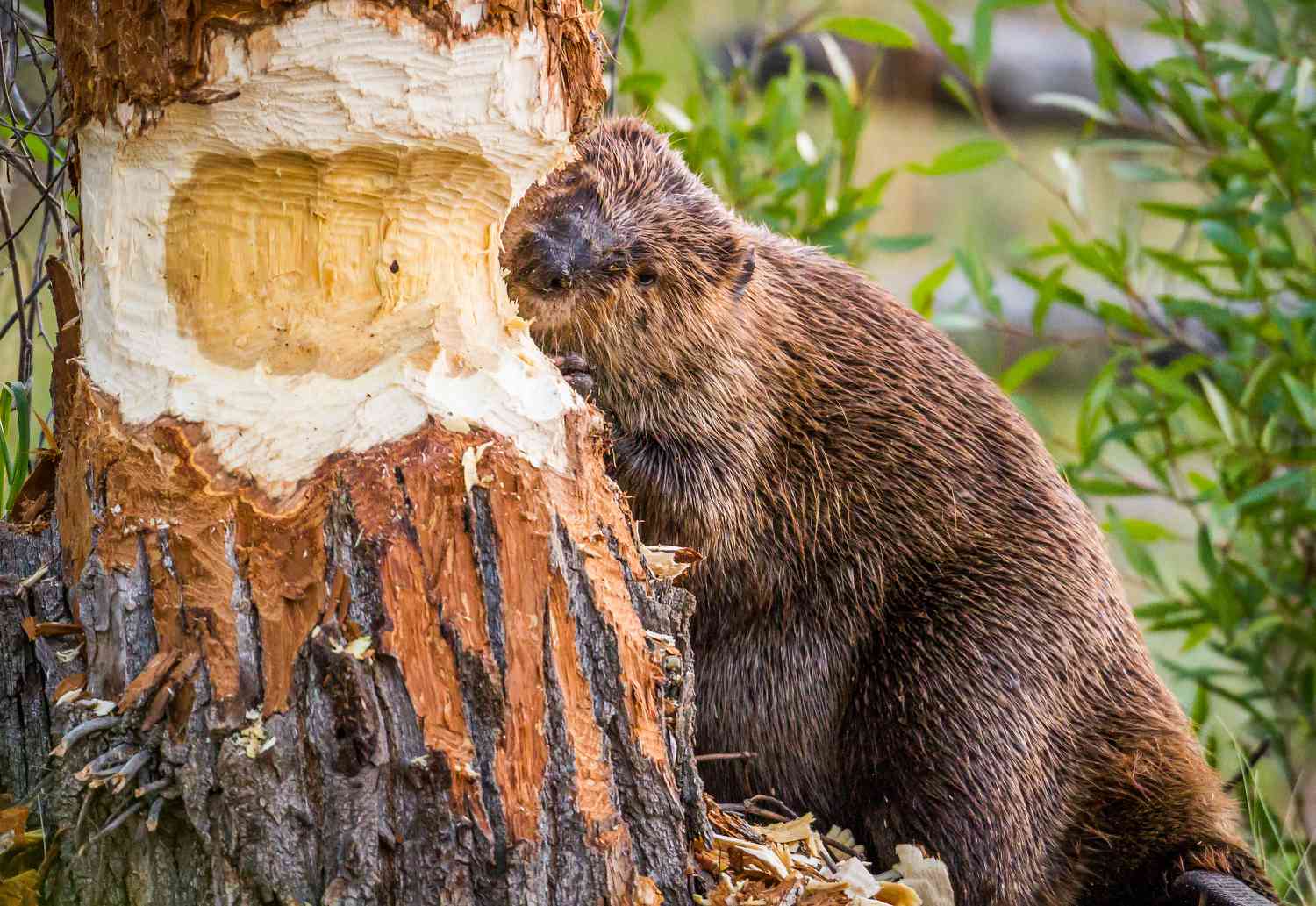
If Ashby Lake had a city planner...
...it would probably be a beaver.
Beavers don't just build dams. They redesign entire landscapes. Every tree they cut, every branch they move, and every stream they slow changes the lives of countless other animals.
A single beaver family can create wetlands that become home to frogs, turtles, ducks, fish, dragonflies, herons, muskrats, and hundreds of other species.
They're one of Canada's greatest environmental engineers.
A beaver's broad tail isn't just for slapping the water. It acts like a rudder while swimming, helps support the beaver when it's sitting upright cutting trees, stores fat for winter, and delivers a loud warning slap when danger is nearby.
And then there's perhaps the strangest fact of all...
Beavers have castor sacs beneath their tails that produce a thick, vanilla-smelling substance called castoreum. They use it to mark their territory.
For centuries, people collected castoreum for perfumes-and even to flavour some foods. Today, almost all vanilla flavouring is synthetic, but the story remains one of nature's strangest facts.
Beavers were once hunted almost to extinction across North America for their luxurious fur. By protecting them, we've also brought back countless wetlands that disappeared with them.
Today, scientists are discovering something remarkable.
Beaver dams don't just create wildlife habitat-they help reduce flooding, trap pollution, raise groundwater levels, and keep streams flowing during dry summers. Some researchers even believe beavers could become important allies as our climate changes.
One animal.
An entire ecosystem.
Next time you're at the lake...
The next time you find a beaver pond, don't just admire the dam.
Ask yourself:
"Who else lives here because the beavers showed up first?"
You may never look at a wetland the same way again.