Black Bear
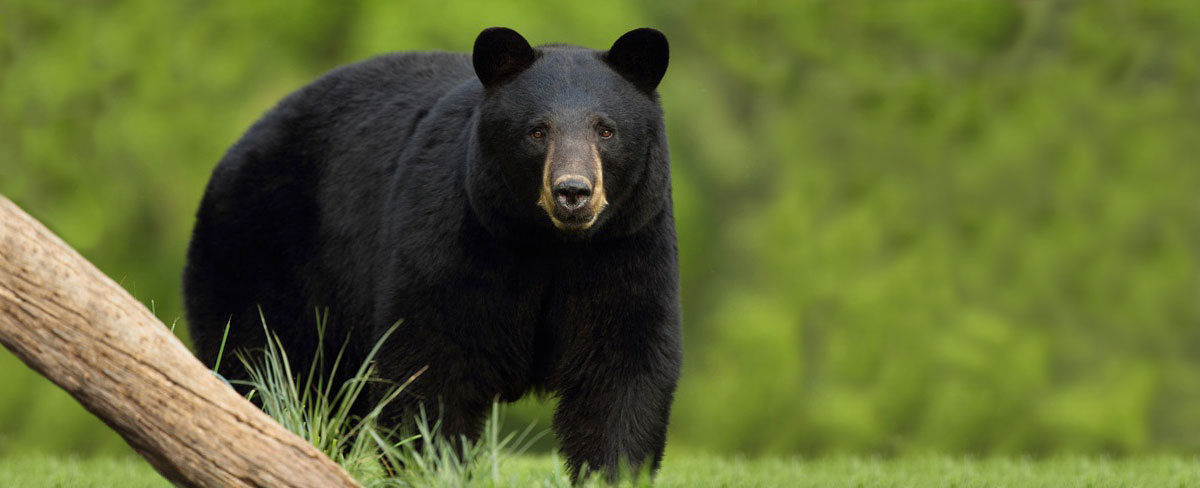
Most people imagine bears as fierce hunters.
The truth is... they're more like giant foragers.
A black bear's favourite meals are berries, nuts, insects, plants, and the occasional fish. Their incredible sense of smell helps them find food from kilometres away, and it's the main reason bears sometimes wander into campsites-not because they're looking for people, but because they're following their noses.
Despite weighing up to 300 kg, black bears can run over 50 km/h, climb trees with ease, and are surprisingly good swimmers.
A black bear's sense of smell is believed to be more than 2,000 times better than ours. They can smell food from kilometres away and even detect scents hidden underground.
Bears also don't truly hibernate. During the winter they enter a deep sleep called torpor. Their heart rate drops dramatically, they don't eat, drink, or go to the bathroom for months, yet they lose surprisingly little muscle because their bodies recycle nutrients in remarkable ways. Scientists are studying bears to better understand osteoporosis, kidney disease, and even long-duration space travel.
Black bears were once far less common in many parts of Ontario because of hunting and habitat loss. Today, healthy forests like those around Ashby Lake provide them with the space they need to thrive-provided we don't accidentally reward them with human food.
Next time you're at the lake...
If you're lucky enough to see a bear, enjoy the moment from a safe distance.
But keep an eye on the forest floor, too.
Fresh tracks, claw marks on a tree, overturned logs, or berry bushes stripped clean are often the only signs that one of Ashby's largest residents passed by just hours before.
Sometimes the best wildlife sightings are the ones that leave clues instead of photographs.