Dead Trees Are Living Cities
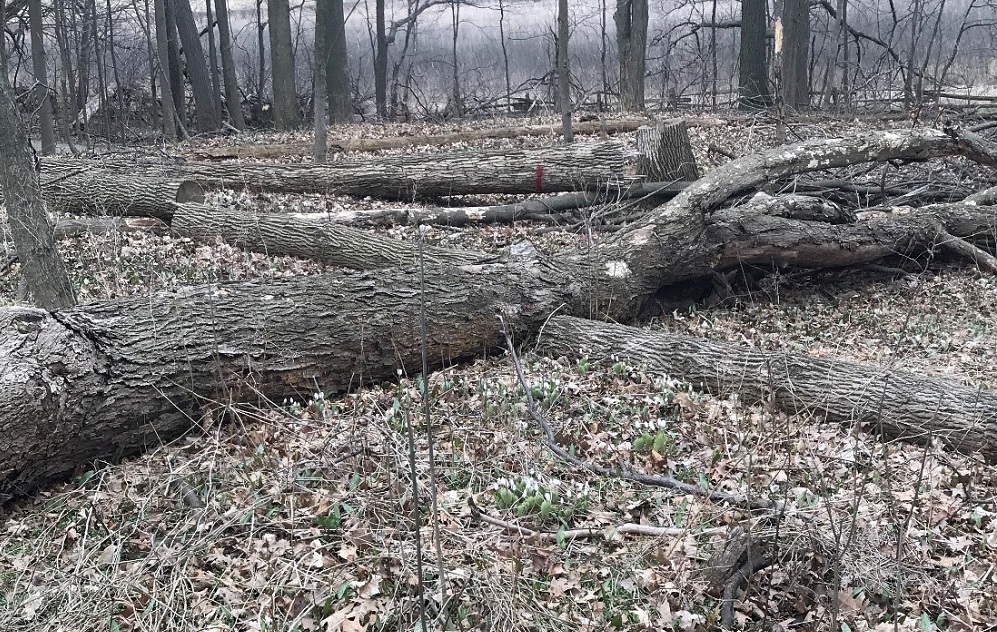
At first glance, a dead tree looks like it's finished.
In reality...
It's just getting started.
A standing dead tree-called a snag-is one of the busiest places in the forest. Woodpeckers carve nest holes into it. Chickadees, owls, flying squirrels, and even some ducks move into those abandoned homes. Insects burrow beneath the bark, attracting hungry birds, while fungi slowly recycle the wood back into the soil.
To one species, it's a dead tree.
To hundreds of others, it's an apartment building.
That's why foresters often leave some dead trees standing whenever it's safe to do so. Removing every dead tree means removing homes, food, and shelter for countless forest creatures.
A single large dead tree can provide habitat for dozens-even hundreds-of different species over its lifetime. As it slowly decays, different animals, insects, fungi, mosses, and lichens move in, each taking advantage of a new stage in the tree's "afterlife."
Next time you're at the lake...
The next time you walk past a dead tree...
Don't walk past it.
Stop.
Look for holes, loose bark, mushrooms, insects, moss, or birds coming and going.
You may be standing in front of one of the busiest places in the forest.