How Lightning Creates Healthy Forests
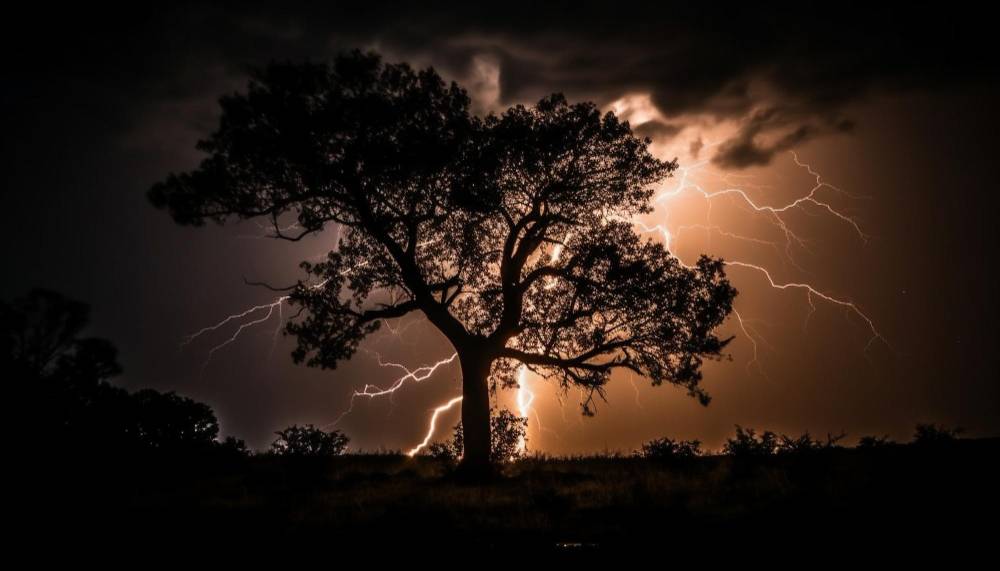
When lightning strikes a tree, it can split the trunk, strip away bark, or even start a fire.
It looks like destruction.
But forests have evolved with lightning for millions of years.
A fallen giant opens the canopy, allowing sunlight to reach the forest floor for the first time in decades. Dormant seeds begin to grow. Wildflowers bloom. Young trees race toward the light. Dead wood becomes food for fungi, insects, and mosses, while woodpeckers soon arrive to carve new homes that will later shelter owls, flying squirrels, and countless other animals.
Even forest fires-when they're small and natural-can be healthy. They recycle nutrients back into the soil, clear away dense undergrowth, and create the patchwork of habitats that many plants and animals depend on.
Without occasional disturbance...
A forest can stop renewing itself.
Some pine cones stay tightly sealed for years and only open after being exposed to the intense heat of a forest fire. For those trees, fire isn't the end of the story...
It's the beginning of the next generation.
Next time you're at Ashby...
If you find a lightning-scarred tree or an old burned stump, don't just see damage.
You're looking at the place where the forest hit the reset button.
Sometimes nature grows strongest after being struck.