Alternative Option: Planting In Soil
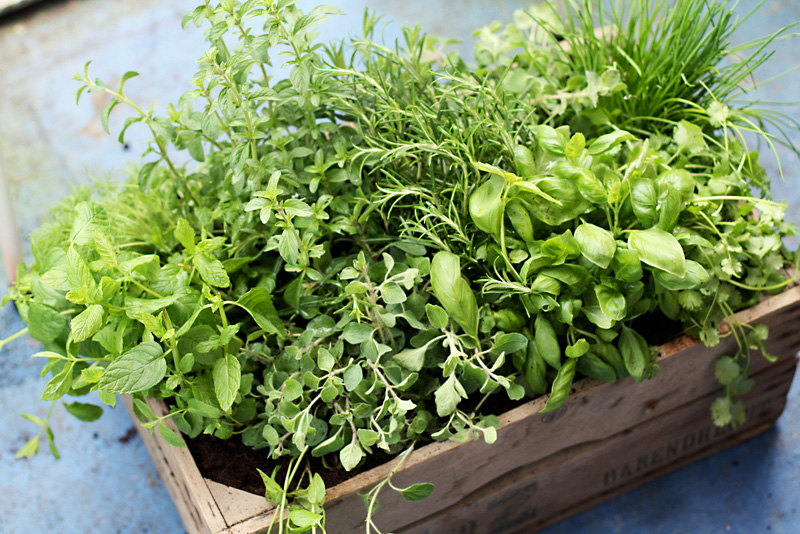
One simple way to start a classroom garden is to use small planter containers to create traditional, soil-based growing environments. If you choose this route, keep in mind that traditional planters can be pricey, so think outside the box and be creative. Consider starting with small containers like egg cartons, two liter bottles, even old coffee tins all work great as growing containers.
Allow your students to choose their own planter containers to make the planting experience more interactive. Give students examples of the types of containers that will work for their planters, and encourage them to get creative with their choices. And don't stop the creativity there! Keep the fun going by drawing funny faces or designs on your planters! Give them names! Everything and anything goes, and the more that students feel connected to their plants, the more committed they will be to seeing their plants grow from seedlings to plants!
GUIDELINES FOR CHOOSING PLANTER CONTAINERS:
- They need to be sturdy enough to hold moisture (and dirt) over the course of at least a few months.
- They need to have some sort of stable base (or have something that can hold them in place).
- You'll want to make sure that the containers you use match the soil requirements of the plants, fruits, or vegetables you've planted in them. See here for the recommended soil depths for a few common plants and vegetables.
Here's a table of some common vegetables and the soil they require
| Soil Depth | Vegetable Types |
| 4-5 Inches | Chives, Lettuces, Radishes, Leafy greens, Basil,
Coriander |
| 6-7 Inches | Garlic, Kohlrabi, Onions, Peas, Mint, Thyme |
| 8-9 Inches | Carrots, Chard, Cucumber, Eggplant, Fennel, Leeks, Peppers, Spinach, Parsley, Rosemary |
| 10-12 Inches | Beets, Broccoli, Okra, Potatoes, Sweet Corne, Summer Squash, Dill, Lemon Grass |
For a list of the tools and equipment that you'll need to get started, click here.
Here's how to set up the growing environment if you're using small size containers (Coffee cans, for example):
- Wash out and clean out your container. If you're planting ornamental plants, clean containers using a solution of one part household bleach, nine parts water. If you're going to be planting vegetables, make a white vinegar solution that's 1:1 water to vinegar. Allow containers to air dry.
- Punch holes in the sides of the container, toward the bottom, with a nail or screw. Make at least four 1/4-inch holes for good drainage.
- Now, fill your container with your growing medium. Combine one part compost and two parts sand and peat moss. You can also add a small amount of fertilizer into the soil mix before planting, making sure to follow label directions.
- Plant your seeds, following the directions on seed packets.
- Place the containers where they will get as much light as possible. For vegetables, you might want to also supply supplemental lighting with cool white fluorescent bulbs. If you're growing flowers indoors, use full-spectrum fluorescent bulbs.
- Apply an organic fertilizer to container plants weekly. Follow label directions based on the type of plants you're growing.
- Water the containers when top 1/2 inch of the soil feels dry to the touch. Add water slowly until about 10 percent of it seeps from the drainage holes. Use a pan to catch water from the drain holes and discard excess water. Do not leave the coffee can sitting in the pan of water.
If you've decided to use bigger planter boxes, you'll follow essentially the same process as above, just on a larger scale.
This is a list of helpful tips and things you'll want to be mindful of when planting in bigger planter boxes:
- You'll need to be conscious of what plants you plant together in each planter box, as it's likely you'll have multiple types of vegetables/flowers/fruits sharing one box. When combining several different types of plants in one planter box, it's best to match plants that have a similar need for water and fertilizer. For example, rosemary, which likes hot and relatively dry conditions, would not be a good match with water-hungry cucumbers.
- As a general rule, you don't want to grow vegetables from the same plant family in the same planter because they'll compete with each for the same nutrients and deplete your growing environment of nutrients quickly.
- To maximize space, you might want to combine a trailing plant with an upright plant.