Why Bring A Garden Into The Classroom
"30,000 pounds of vegetables later, my favorite crop
is organically grown citizens: students who are
engaged and excited to come to school daily, who become
graduates and members of the middle class."
- Stephen Ritz
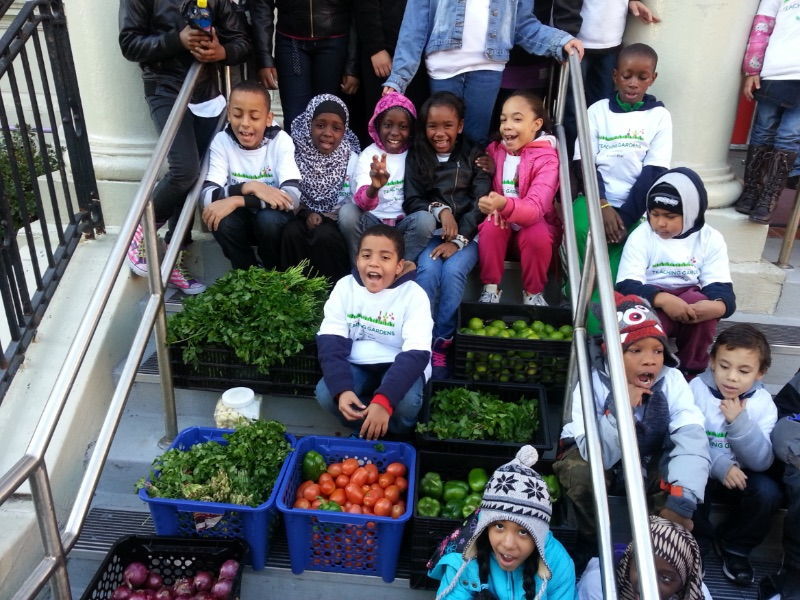
Why should you bring a garden into your classroom, and how much work is it going to require from both you and your students? Those are probably the questions going through your mind right now.
As you decide whether you're ready to take on this type of project, consider the following:
- Studies have shown that more than 84% of teachers exposed to school gardens think gardens help students learn more effectively. (Skelly and Bradley 2000).
- School gardens have been proven to significantly increase science and language arts achievement scores, and have also been shown to improve students' general achievement and behavior. (Klemmer, C. D., T. M. Waliczek, and J. M. Zajicek. 2005.)
- In the schools where Stephen Ritz has been an instructor, he has seen an increase in daily attendance rates from 40% to 93%, 100% passing rates on New York State Examinations, and as a result of a partnership with the community, has created over 2,200 youth jobs.
If the stats aren't enough to convince you to start your own
classroom garden, watch the short video below. In it, Stephen talks
about how gardening has brought incredible growth and positive
change to the community he lives and teaches in, and what the
effects have been on his students.
Although his gardens have produced thousands of pounds of fresh vegetables, Stephen doesn't necessarily teach his students about food; rather, he teaches with food. Stephen uses his classroom gardens as a lens through which his students are able to study all content areas of the curriculum, including health and nutrition, environmental and social justice issues, active citizenship, and even participatory democracy.
This Guide encourages you to do the same, using the entire process of planting, growing and harvesting your garden to provide valuable opportunities for participatory learning.
Whether you're new to gardening or a seasoned green thumb, expect this to be a rewarding, but at times a challenging process. You'll learn as much from your students as they do from you, hit bumps in the road along the way, but we promise the end results will be worth it.