Food & Nutrition
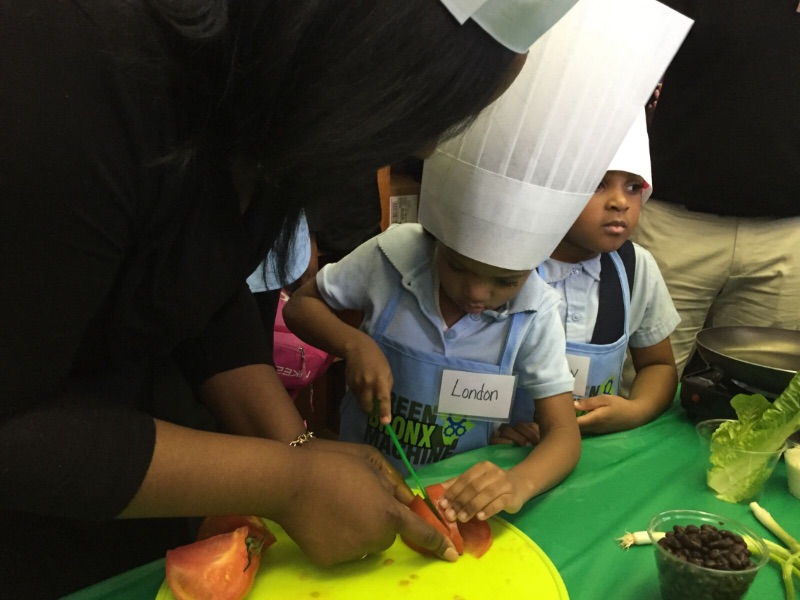
"When kids learn about where their food comes from, it
changes their world view. "
-Stephen Ritz
If you are growing vegetables in your classroom garden, then talking to students about food and nutrition is an obvious choice. Below are a few sample activities to do with students that relate to food and nutrition:
Grades K-5
- Identify the parts of the plant represented by common fruits and vegetables.
- Sprout various seeds for eating.
- Conduct a blindfolded taste test using classroom-grown vegetables and supermarket vegetables
- Visit a local farm.
- Create brochures with information on daily food intake recommendations.
- Keep food journals that highlight how many fruits and vegetables are eaten and describe any new produce tried.
Grades 6-12
- Talk About National Cuisines and Eating Habits of other Cultures : Food is a major part of what defines a culture. We all have those few dishes that our parents or grandparents made that define, in many ways, where we came from. Use the garden as a platform for discussing national cuisines. Plan a country-themed potluck. Have students research their own heritage and then come up with ways to create traditional dishes using the plants grown in class. Get creative, and have fun with it.
- Talk About Global Hunger & Food Related Issues: Food is a basic human necessity. Sadly, millions of children everyday go hungry. Depending on where your school is located, poverty and hunger may or may not be something your students are confronted with on a daily basis. Either way, it's important to talk to your students about the causes and consequences of hunger if only to give them perspective on their own situation. Figure out ways to give back to your community, and help those battling poverty or hunger. Take a page out of the Green Bronx Machine playbook and donate your surplus veggies to a local soup kitchen that is in need. Better yet, have students volunteer their time at the soup kitchen!
- Compare the importance of nutrients in the health of humans and of plants.
- Study the nutritional value of the various crops in your garden.
- Discuss the difference in nutritional value of various plant parts.
- Experiment with food preservation techniques, such as drying, freezing, and canning.
- Grow a salad garden and give students a chance to sample the harvest with a salad party.
- Invite a grocery store employee to talk to the class about where their products come from.
- Plan a day's menu that includes all components of a balanced diet.
- Research the nutritional value of your favorite garden vegetable and then write a script for a 60-second advertisement designed to get more people to grow and eat it.