Oceans and Skies
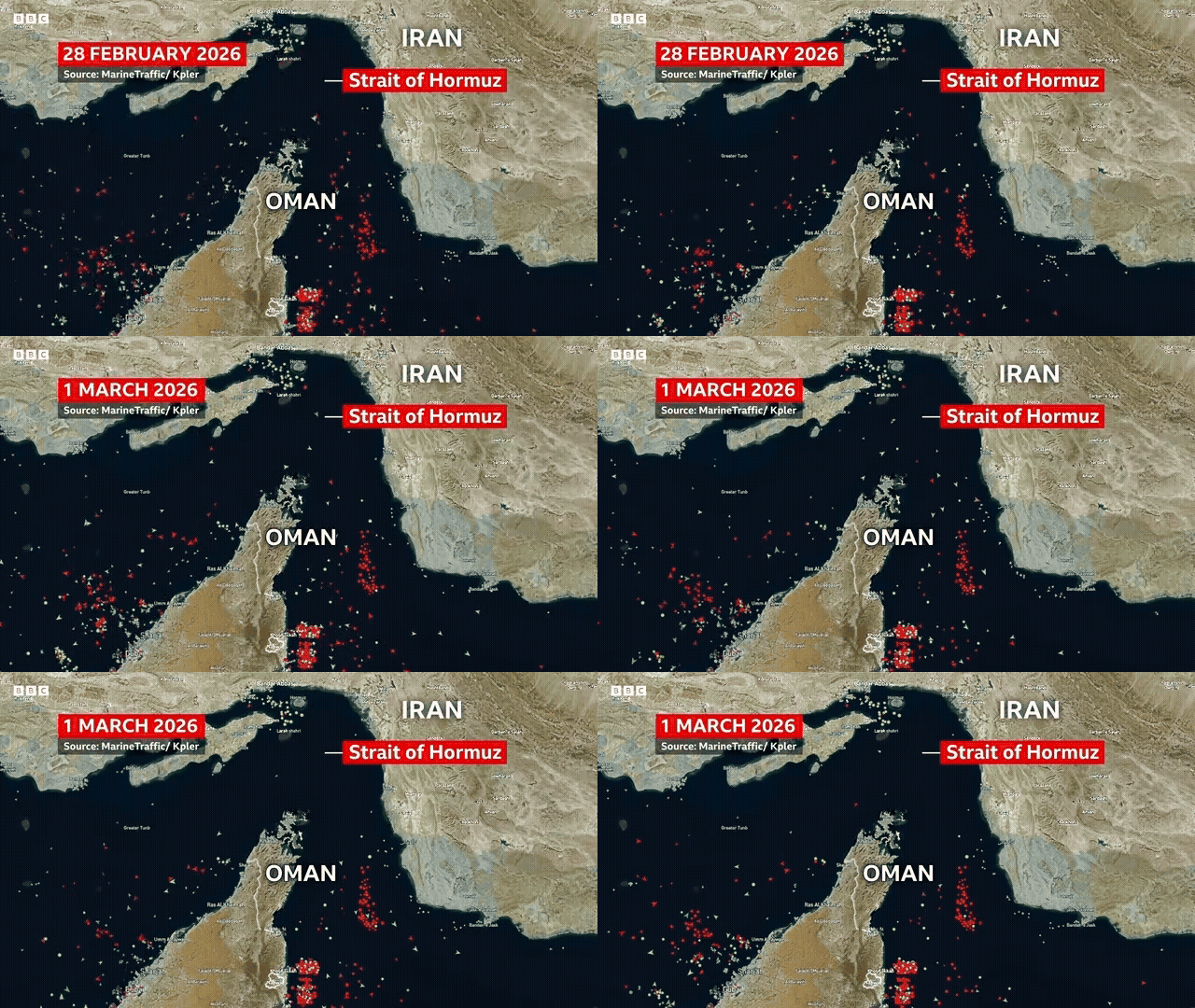
A number of open source websites and apps enable journalists to track flights and the movement of vessels at sea. During the Iran war, these showed U.S. military transport planes being flown to the Middle East and charted the movement of tankers in the Strait of Hormuz. Maritime sites like MarineTraffic and VesselFinder provide paid subscribers with near-real time data on the position of vessels and other shipping data while Global Fishing Watch is free. TankerTrackers.com (paid) specializes in tracking dark fleet oil tankers from sanctioned countries.
In March 2026, Le Monde uncovered the location of a French aircraft carrier heading to the Middle East after a sailor logged his jogging session on the Strava fitness app.
"We're incredibly lucky now that there are vast troves of data that are available to us. It's a real digital playground out there for us to get stuck into"
Joe Galvin, Open source journalist, formerly with the Outlaw Ocean Project, now at RTE Investigates
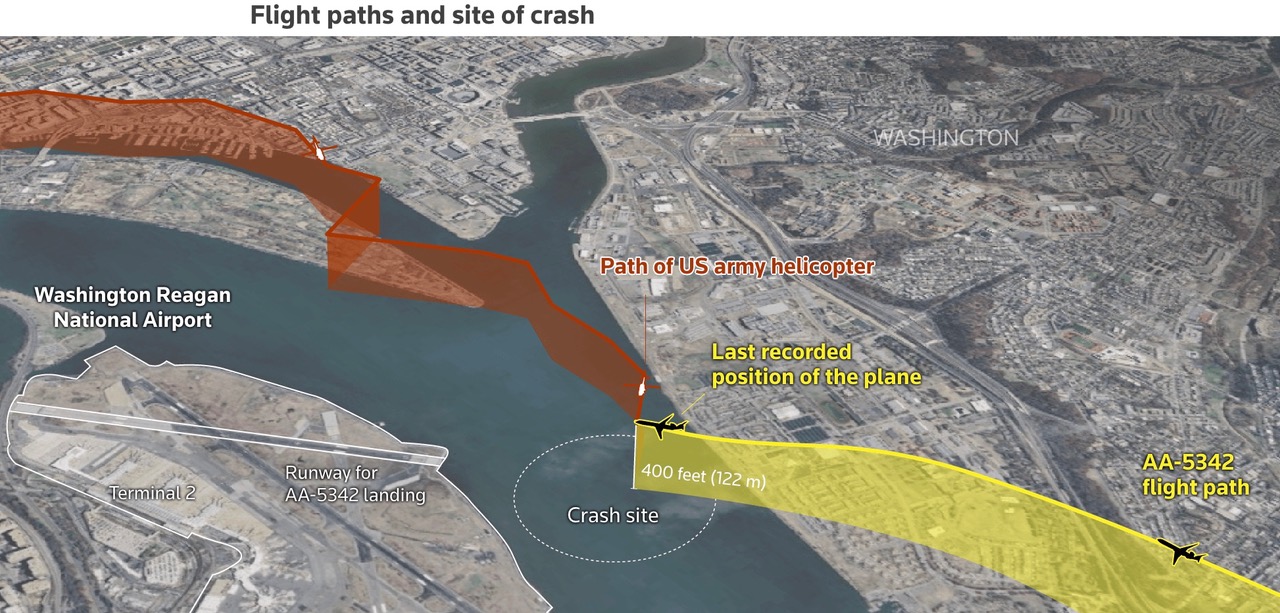
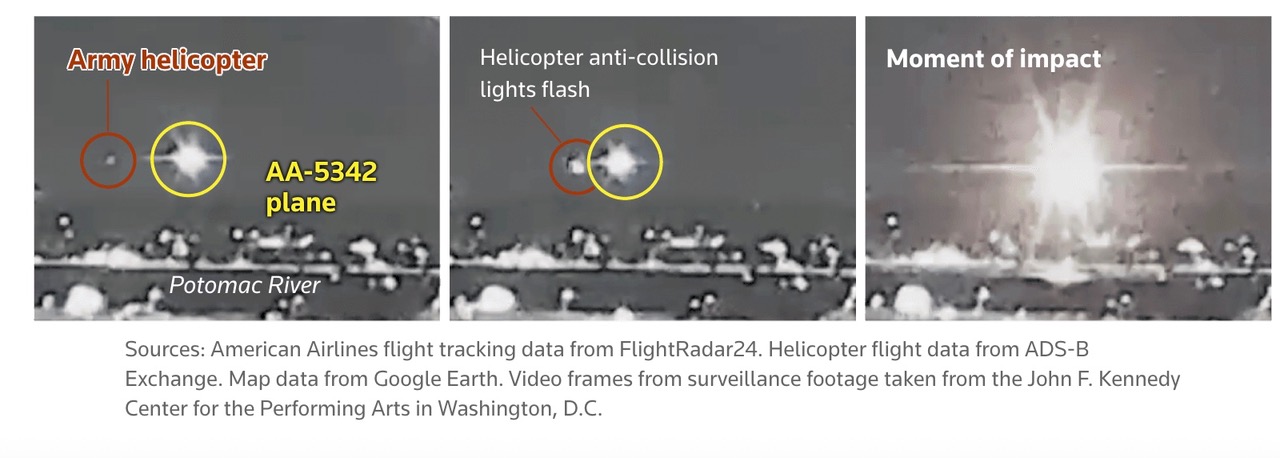
Flight tracking tools are used to follow the movement of aircraft. Data from FlightRadar24 (paid) and ADS-B Exchange (free), as well as surveillance camera footage from the John F Kennedy Performing Arts Center, helped Reuters, below, show what went wrong when an American Airlines plane collided with a military helicopter over Washington D.C. on January 29, 2025 and crashed into the Potomac River, killing all 67 people onboard.
Geolocating video footage of incidents can be difficult without discernible landmarks. However, the non-profit watchdog, Airwars, documents the harm to civilians from international military actions such as air and artillery strikes, including U.S. attacks on fishing boats carrying alleged drugs in the Caribbean and Eastern Pacific Ocean.
The non-profit Outlaw Ocean Project describes its mission as "Journalism from the last frontier." In 2023, it collaborated with the New Yorker on a series investigating "The Crimes Behind the Seaford You Eat." According to Galvin, abuse at sea is easy to hide. Fishing happens far from land, away from reporters, and companies can bury what is happening through long supply chains. It is a slow process building proof.
For their investigation into forced labor in Chinese squid-fishing, Galvin and his colleagues rigorously combed company websites, logged Chinese-language keywords in spreadsheets, used search operators like filetype:pdf to scour for information (see Chapter 5 on dorking) and found hidden newsletters that were no longer visible on the main website.
Ultimately, they were able to show that Chinese companies were exploiting forced labor at every part of the supply chain -- at sea and in processing factories, before shipping the seafood to other parts of the world, including the U.S.