Finding and Archiving sources
When news breaks, journalists must seek out the original source of content, such as the person who held the camera, recorded the footage and uploaded it on social media. In a fluid situation, new information comes out rapidly and having a firsthand account that can provide or confirm information is integral. In this respect, open source journalism is no different to traditional journalism - it involves reaching out to people by phone, text, social media or email to verify content.
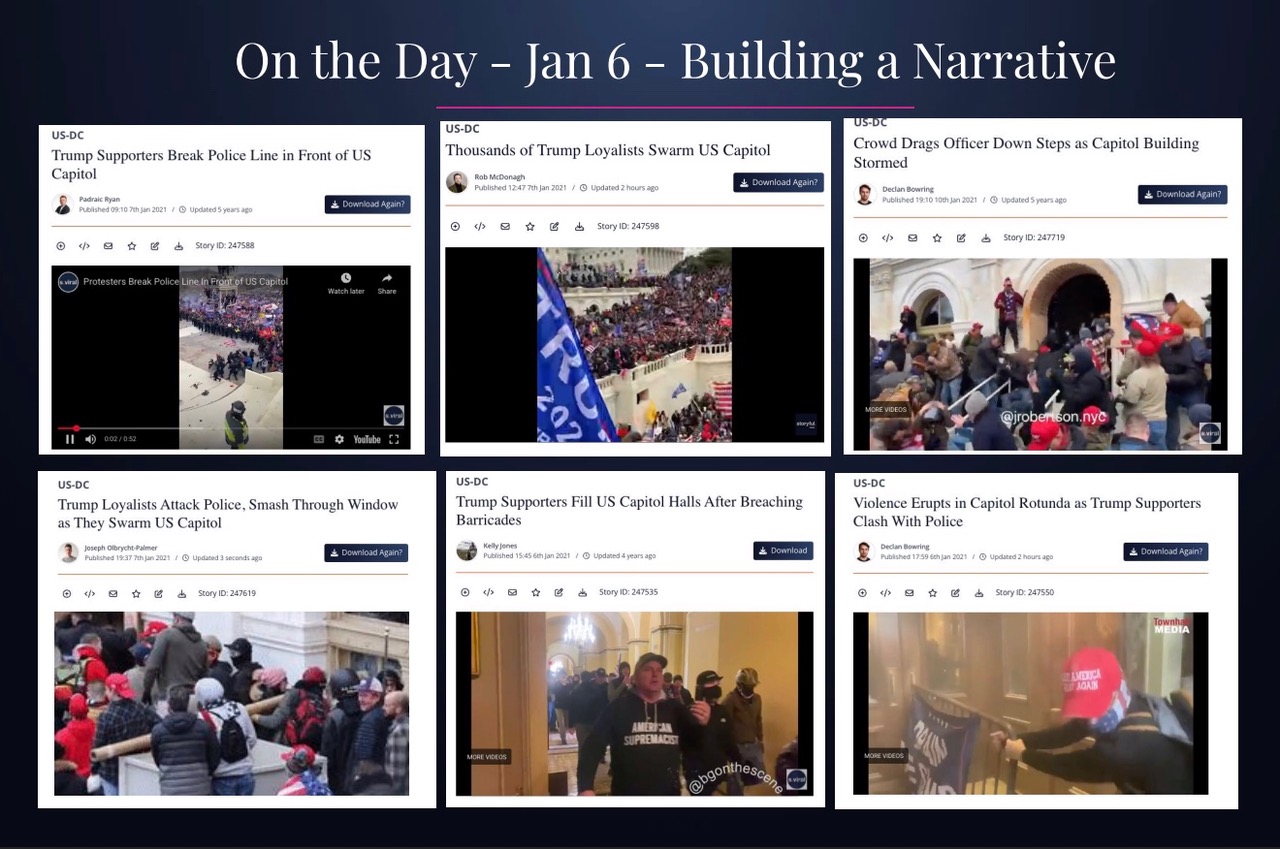
Anticipating a story, where possible, is an important part of the investigative process. Rob McDonagh, associate editor of Storyful, kept a watchful eye on events leading up to the riot at the Capitol on January 6, 2021. President Donald Trump had issued a call to supporters to "Be there. Will be wild!"
"You had the 'Stop the Steal' movement growing and increasing tension on Facebook groups and other platforms like Parler and Gab, which were rightwing alternatives to Twitter. Our job was to keep track of the narrative and where things were moving."
Rob McDonagh, Associate editor, Storyful
McDonagh set about finding visuals that could help the media tell the whole story. Preparation included identifying key search words and hashtags, and logging people posting videos and live-streamers (but with care to note who the live-streamers were).
"I'm sure you can recognize this from your own social media use. People still like to post everything about themselves, who they're affiliated with, what their beliefs are, where they're going, where they've been," said McDonagh.
Archiving relevant social media content immediately is essential -- many rioters removed posts celebrating their presence at the Capitol when it became clear they faced arrest. This applies just as much to more innocuous content. Material has to be saved and stored for future use.
Archiving safeguards publicly accessible information before it is modified, removed, or lost. It prevents the loss of verifiable information about past events and creates a database that is easily accessible to reporters and news organizations.
For journalists, archiving can be as simple as taking a screenshot of a webpage or social media account. Tools such as the internet archive, Wayback Machine, which crawls the web archiving pages, can preserve many different iterations of websites. Additionally, it can search for a specific date, making it significantly easier to identify how the webpage has changed over time.
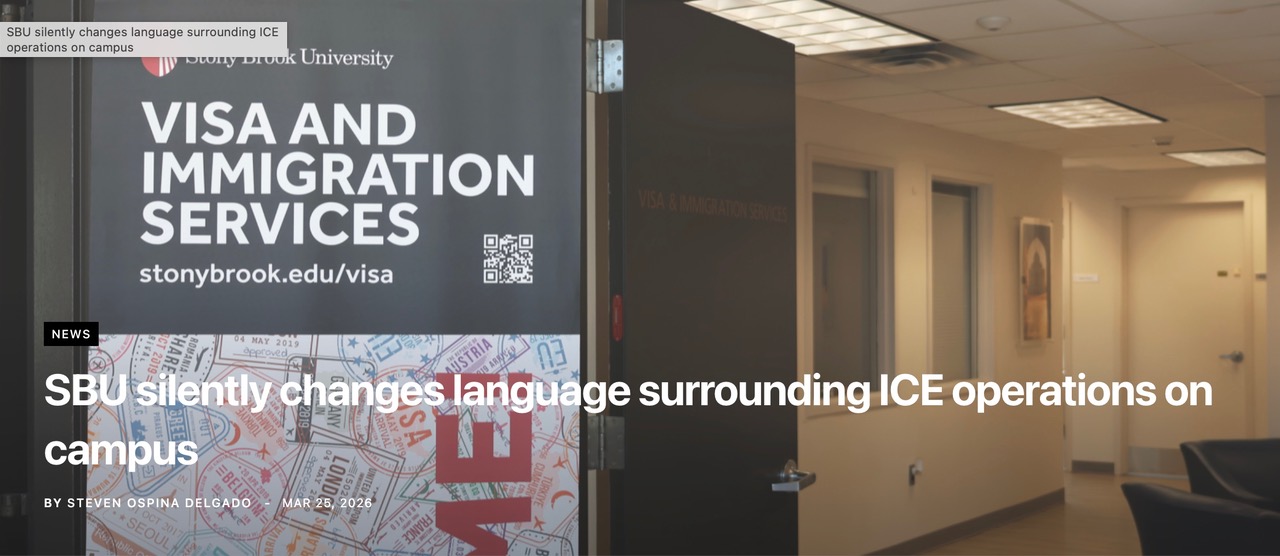
In March 2026, student journalists at our campus magazine, The Stony Brook Press, below, used Wayback Machine to show that the university had quietly changed its language surrounding immigration enforcement (ICE) operations on campus.