Decision-Making Under Pressure in Fast-Paced Games
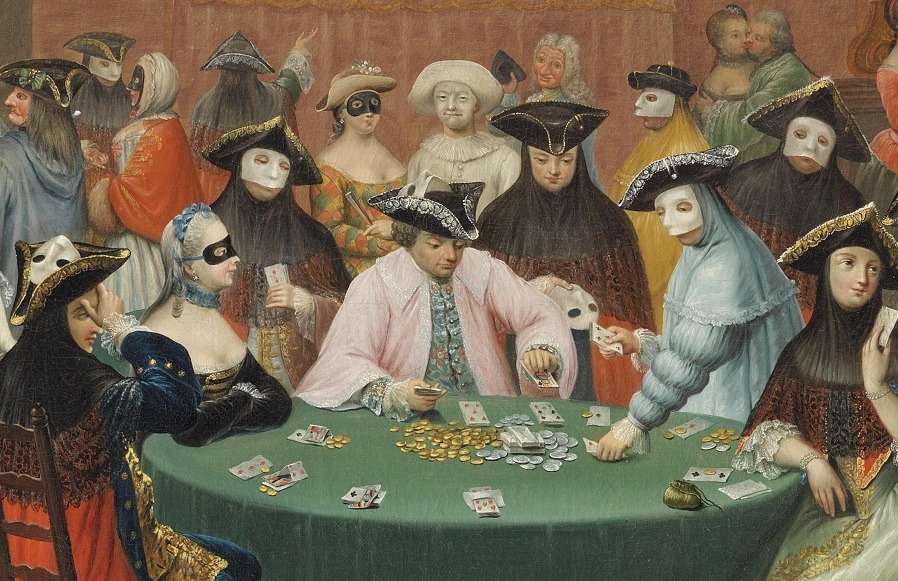
Fast-paced gambling games, such as live blackjack, online slots with rapid spins, and in-play sports betting, place players under significant pressure. Quick decisions, time constraints, and high-stakes situations can lead to impulsive choices, emotional reactions, and mistakes. Understanding how pressure affects decision-making and learning strategies to maintain control are essential for responsible and successful play.
How Pressure Affects Gambling Decisions
Decision-making under pressure can impair judgment in several ways:
- Cognitive Overload
Rapid gameplay requires players to process multiple pieces of information in a short time, such as odds, bets, and potential outcomes. This overload can lead to hasty or irrational decisions.
Practical Example: A live roulette player must place bets within a 30-second window. Under pressure, they may choose bets based on instinct rather than probability, increasing risk.
- Emotional Influence
Stress, excitement, or frustration amplifies emotional reactions, making it harder to stick to pre-set limits.
Practical Example: After losing two rounds of blackjack in quick succession, a player may double their bet impulsively to "recover losses," ignoring their bankroll plan.
- Time Pressure and Impulsivity
Limited decision time can trigger automatic responses rather than strategic thinking. Players often resort to instinctual or habitual betting patterns rather than analyzing the situation.
Practical Example: In-play sports betting requires placing wagers before the next play occurs. A beginner may place a high-risk bet on a hunch, influenced by adrenaline rather than calculated probability.
Common Mistakes Under Pressure
- Chasing Losses Quickly: Players attempt to recover losses immediately, often increasing exposure.
- Overbetting: Increasing wager sizes impulsively in high-pressure situations.
- Ignoring Probabilities: Focusing on short-term streaks or "gut feelings" instead of objective odds.
- Emotional Betting: Allowing frustration, excitement, or confidence to dictate decisions rather than rational strategy.
Practical Example: A fast-paced slot game rewards frequent small wins. A player becomes overconfident and raises bets dramatically after a streak, ignoring the low probability of continued success.
Strategies for Making Better Decisions Under Pressure
1. Set Pre-Defined Limits
Having clear boundaries for deposits, session duration, and losses prevents impulsive choices when time pressure is high.
Practical Example: A live blackjack player sets a $50 session limit. Even after quick losses, they stop playing once the limit is reached, avoiding reckless bets.
2. Plan Decisions in Advance
For fast-paced games, plan strategies and contingencies before gameplay. Decide in advance how to respond to wins, losses, or streaks.
Practical Example: In a live roulette session, a player decides to only place bets on even/odd outcomes, limiting complexity and reducing impulsive behavior.
3. Use Mindfulness Techniques
Being aware of emotional and cognitive responses helps prevent pressure-induced mistakes. Deep breathing, pausing before each decision, or stepping away briefly can maintain clarity.
Practical Example: A sports bettor waits 10 seconds before placing a live wager, ensuring the decision is based on odds and analysis rather than adrenaline.
4. Focus on Probabilities and Strategy
In high-speed games, it is crucial to prioritize strategy over intuition. Understanding odds and employing structured approaches reduces mistakes under pressure.
Practical Example: In blackjack, a player uses basic strategy charts to determine when to hit, stand, or double down, even in rapid gameplay.
5. Take Regular Breaks
Short pauses during fast-paced sessions allow the brain to reset, reducing cognitive overload and impulsive decisions.
Practical Example: After every 15 spins on a slot machine, a player takes a 5-minute break, assessing bankroll and emotional state before continuing.
6. Practice in Low-Stakes Environments
Beginner and intermediate players benefit from practicing fast-paced games at low stakes to build familiarity and improve decision-making under pressure.
Practical Example: A beginner poker player starts with micro-stakes games online, learning how to make quick but calculated decisions before moving to higher-stakes sessions.
Real-World Insights
- Studies show that decision-making quality declines under time pressure, with increased reliance on intuition over analysis.
- High-speed games exploit this by offering rapid outcomes, which can magnify emotional reactions.
- Professional players often use structured strategies, bankroll management, and pre-planned actions to maintain rational decision-making even in fast-paced scenarios.
Practical Example: Professional esports bettors set betting limits and only play pre-determined games, ensuring that high-pressure environments do not compromise their strategy.
Benefits of Controlled Decision-Making Under Pressure
- Reduces impulsive losses and emotional betting
- Protects bankroll and encourages sustainable gameplay
- Improves long-term enjoyment and confidence
- Builds strategic thinking in high-speed environments
- Supports responsible gambling practices
Final Thoughts
Fast-paced gambling games present unique challenges for decision-making. Time pressure, emotional arousal, and cognitive overload can lead to mistakes and impulsive behavior. By setting limits, planning strategies, practicing mindfulness, focusing on probabilities, taking breaks, and practicing at low stakes, players can improve their decision-making under pressure.
Responsible gamblers understand the psychological and situational factors influencing rapid decisions, allowing them to enjoy fast-paced games safely and strategically. Mastering decision-making under pressure ensures that high-speed gambling remains an engaging and controlled activity rather than a source of impulsive loss or frustration.