Psychology Of Gambling & Decision-Making: Understanding Player Behavior
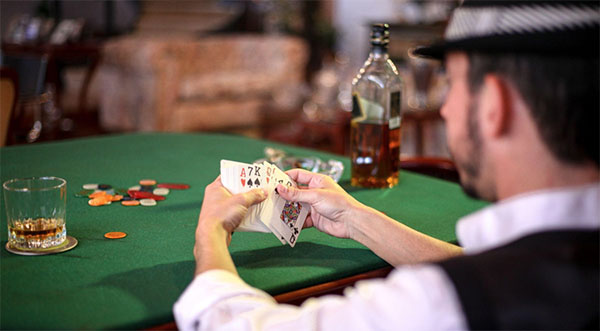
Gambling is not just about luck-it heavily involves psychology. Players' decisions are influenced by cognitive biases, emotional responses, habits, and perceptions of risk. Understanding the psychological factors behind gambling behavior can help players make informed choices, avoid impulsive losses, and maintain responsible gaming habits.
1. How Cognitive Biases Influence Gambling Decisions
Cognitive biases are mental shortcuts that affect how players perceive risks and rewards. In gambling, these biases can lead to irrational choices, overestimating chances of winning, or chasing losses.
Common Cognitive Biases in Gambling:
- Gambler's Fallacy: Believing past outcomes affect future events. Example: Thinking a roulette wheel is "due" for red after a streak of blacks.
- Illusion of Control: Believing that skill or actions can influence random outcomes. Example: Choosing specific slot machines or numbers in hopes of "luck" affecting results.
- Confirmation Bias: Remembering wins and ignoring losses, which reinforces the perception of skill.
- Overconfidence Bias: Feeling invincible after a winning streak, leading to riskier bets.
Practical example: A player notices they have won three hands in blackjack and bets more aggressively, ignoring the fact that each hand is independent. Awareness of these biases helps players make rational decisions.
2. The Impact of Wins and Losses on Player Behavior
Emotional responses to wins and losses heavily shape gambling behavior. Wins can trigger overconfidence, while losses can lead to frustration and "chasing" behavior.
Behavioral Patterns:
- Winning Streaks: Players may increase bets, believing luck will continue.
- Loss Chasing: Players try to recover losses quickly, often risking more than planned.
- Mood-Dependent Play: Emotional highs or lows influence betting size and decision-making.
Practical example: A slot player wins $200 early in a session and decides to double bets for the next rounds, eventually losing both the winnings and part of their initial deposit. Recognizing emotional impact allows players to pause and make more controlled decisions.
3. Risk Perception and Why Beginners Misjudge Odds
Beginners often misjudge gambling odds due to lack of knowledge, excitement, or cognitive biases. Misunderstanding probability can lead to unrealistic expectations and poor decisions.
Common Misconceptions:
- Believing that "due" events are more likely to occur
- Underestimating house edge in games like roulette or slots
- Overvaluing small wins while ignoring cumulative losses
Practical example: A new poker player sees a hand with a low probability of winning but bets heavily, believing luck will favor them. Educating players about odds, probabilities, and expected value improves risk assessment and decision-making.
4. The Role of Habit Formation in Gambling Patterns
Habit formation is a powerful factor in gambling behavior. Repeated play, reinforced by wins or rewards, can lead to ingrained patterns, sometimes escalating to problematic behavior.
How Habits Form:
- Reward-Based Reinforcement: Wins trigger dopamine release, creating pleasure associations.
- Regular Play Routines: Consistent times of day or sessions strengthen gambling habits.
- Environmental Cues: Notifications, ads, or platform interfaces can trigger habitual play.
Practical example: A player receives a weekly bonus notification and habitually logs in to claim it, sometimes exceeding planned session limits. Recognizing these patterns allows players to set safeguards and prevent compulsive habits.
5. Decision-Making Under Pressure in Fast-Paced Games
Fast-paced games, like live blackjack, roulette, or online slots with rapid spins, place players under pressure. Quick decision-making increases the likelihood of mistakes and impulsive behavior.
Strategies to Improve Decision-Making Under Pressure:
- Pre-set betting limits to avoid impulsive wagers
- Focus on strategy rather than emotional reactions
- Take short breaks to reset mental state
- Avoid distractions and fatigue during sessions
Practical example: In a live roulette game, a player must place bets within a short time window. Having predetermined betting limits prevents impulsive large bets during the countdown, maintaining control and reducing emotional risk.
Final Thoughts
Gambling psychology highlights how decisions are influenced by cognitive biases, emotional reactions, risk perception, habits, and time pressure. Awareness of these psychological factors enables players to make rational choices, avoid impulsive behavior, and maintain responsible gaming.
By understanding how wins and losses affect behavior, how risk is perceived, and how habits form, players can improve decision-making, enjoy gambling responsibly, and protect their bankroll. Fast-paced games, in particular, demand preparation, strategy, and discipline, making psychological awareness critical for sustainable, enjoyable play.
Next page
The Impact of Wins and Losses on Player Behavior »